
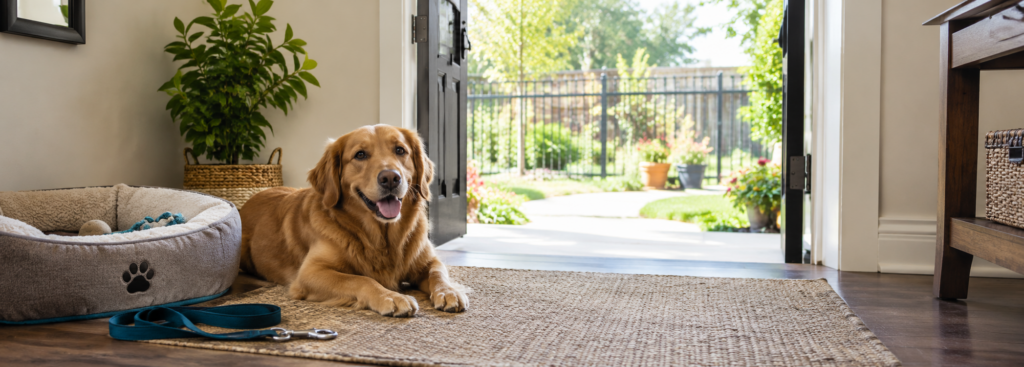
Finding the right home involves more than choosing the number of bedrooms, comparing prices, or selecting a preferred neighborhood. If you have a dog, cat, or other companion animal, you also need a home that supports your pet’s comfort, safety, and everyday routine.
The Inland Empire offers a variety of housing options, including single-family homes, townhomes, condominiums, and properties with outdoor space. Whether you are searching in Riverside, Moreno Valley, Perris, Corona, Jurupa Valley, or San Bernardino, the best choice depends on your budget, lifestyle, property requirements, and the needs of your animals.
A pet-friendly home does not necessarily need a large backyard. Some pets do well in smaller homes when they have appropriate exercise, enrichment, and access to outdoor areas. Other households may benefit from a fenced yard, durable flooring, or a layout that makes daily care easier.
This guide explains what to look for when buying a pet-friendly home in the Inland Empire, which property features deserve attention, and how to prepare for a smoother move with your animals.
1. Decide What Pet-Friendly Living Means for Your Household
Before starting your home search, consider how your pets use your current living space. A young, energetic dog may need different arrangements from an older dog that prefers short walks and easy access to a comfortable resting area. Cats may benefit from secure windows, quiet spaces, and opportunities to climb or explore indoors.
Make a list of the features that would improve everyday life for your animals. These might include a fenced yard, nearby walking routes, washable floors, a separate feeding area, or enough indoor space to keep pet supplies organized.
Separate essential features from preferences. A secure outdoor area may be a priority for one household, while another may be comfortable with a smaller property near suitable walking areas. Establishing these requirements early helps you focus on homes that fit your real needs rather than relying on attractive listing photographs alone.
2. Look for a Yard That Fits Your Pet’s Needs
A backyard can be a valuable feature for many pet owners. It may provide room for supervised play, outdoor relaxation, and convenient breaks throughout the day. However, the size of the yard is only one part of the decision.
Examine the fencing carefully. Look for gaps, loose panels, damaged gates, and spaces where a small animal might escape. The appropriate fence height and design depend on your pet’s size, behavior, and ability to jump or climb. Do not assume a property is secure simply because a listing describes it as fenced.
Consider the yard’s surface, shade, drainage, and maintenance requirements. Some landscaping materials can become very hot in Southern California’s summer weather. Shaded areas and access to fresh water can make outdoor time more comfortable, but pets should not be left outside in unsafe temperatures.
Also check whether the yard contains plants, chemicals, or other hazards that may be harmful to animals. If the property has a pool, investigate barriers and safety measures. A pool or pond should not be considered safe for pets without appropriate precautions.
3. Choose Flooring That Can Handle Everyday Pet Life
Flooring is worth considering if your pets shed, track in dirt, have occasional accidents, or enjoy running through the house. Some surfaces are easier to clean than others, but no flooring material is completely scratchproof or maintenance-free.
Tile and some luxury vinyl products are popular choices because they can be relatively easy to maintain. Hardwood may develop scratches or show wear, while carpet can retain hair, odors, and stains if it is not cleaned properly.
When viewing a home, look beyond the surface appearance. Check for damaged floorboards, loose transitions, worn carpet, or areas that may require replacement. If you plan to renovate after purchasing, include the expected cost in your overall budget.
Rugs, washable covers, and designated resting areas can also help protect flooring. The best choice depends on your budget, your pet’s behavior, and the amount of maintenance you are comfortable handling.
4. Review HOA Rules and Pet Restrictions Before Buying
A home may look ideal for your pets but still be subject to restrictions. Homeowners associations, condominium communities, landlords, and other property managers may have rules about the number of animals, permitted animal types, size limits, shared outdoor spaces, or leash requirements.
These rules vary by property and governing documents. Do not rely only on a listing description or a verbal statement that pets are allowed. Request and review the applicable HOA documents, community rules, and other relevant restrictions before committing to a purchase.
Pay attention to rules about common areas, pet waste, noise, access to shared amenities, and the use of balconies or patios. If you have multiple pets or an animal with specific needs, confirm that the property and community requirements fit your circumstances.
For condominium buyers, also consider where pets can safely relieve themselves and how far you will need to walk to reach a suitable outdoor area. These practical details can make a significant difference to daily routines.
5. Explore Nearby Walking Routes and Outdoor Spaces
A pet-friendly lifestyle extends beyond the property boundary. Before purchasing, consider where you will walk your dog, access veterinary care, purchase supplies, and find appropriate outdoor activities.
Some buyers prefer residential streets with sidewalks and convenient walking routes. Others may value nearby open spaces or designated dog parks. However, the existence of a park nearby does not mean every area permits dogs or allows them to be off leash.
Check official park information for current pet policies, leash requirements, operating hours, and restrictions. Visit the surrounding area when possible to assess traffic, shade, sidewalk conditions, and the distance from the property.
In the Inland Empire, warm weather is another important consideration. Plan for walks during cooler parts of the day when temperatures rise, and check pavement conditions before walking your pet. A location that works well for your schedule can make regular exercise easier and more enjoyable.
6. Consider Heat, Shade, and Indoor Comfort
Southern California’s warm summers make temperature management an important part of choosing a home with pets. A property with effective heating and cooling, suitable window coverings, and comfortable indoor resting areas can help you maintain a more consistent environment.
During a showing, ask about the age and condition of the heating and cooling systems. Consider whether the home has adequate shade, whether rooms receive intense afternoon sunlight, and whether the layout offers a comfortable place for your animals to rest.
Outdoor space also deserves careful attention. A large, unshaded yard may be less useful during very hot weather than a smaller yard with appropriate shade and easy access to the indoors. Never assume that a pet can safely remain outside simply because water and shelter are available.
Ask your veterinarian about heat risks and precautions appropriate for your animal’s age, breed, and health. These considerations can help you choose a property and daily routine that support your pet’s well-being.
7. Look for a Practical Indoor Layout
The layout of a home can influence how comfortably you and your pets live together. A mudroom, laundry area, or entry space may provide a convenient location for leashes, towels, food containers, and cleaning supplies.
Some households prefer an open living area where pets can remain nearby during family activities. Others may need a quieter room where an animal can rest away from visitors or household noise. Think about how the available space could support feeding, grooming, sleeping, and safe separation when needed.
Stairs may be an important consideration for older pets or animals with mobility limitations. If your pet has difficulty climbing, a single-level home or a layout with essential living areas on the ground floor may be more practical.
Also consider doorways, gates, balconies, and windows. Small changes such as secure screens or suitable pet barriers may improve safety, but confirm that any modifications are permitted under applicable HOA rules or property restrictions.
8. Evaluate the Total Cost of a Pet-Friendly Home
Some pet-friendly features can affect the purchase price or future maintenance budget. A larger yard may require more landscaping, while fencing, flooring replacement, shade structures, or other improvements may add to your expenses.
When comparing properties, account for the full cost of ownership rather than focusing only on the asking price. Include the mortgage, property taxes, insurance, utilities, maintenance, and any applicable HOA fees. Then estimate the cost of pet-related improvements that are important to your household.
If fencing needs repair, request estimates before deciding how much you can comfortably spend on the home. If flooring needs replacement, consider whether the project is necessary immediately or could be completed later.
Remember that not every buyer needs a property with every possible feature. A home that meets your most important requirements without stretching your budget may be a better choice than a larger property with costly upgrades.
9. Prepare Your Pets for Moving Day
Moving can disrupt familiar routines for animals. New sounds, unfamiliar rooms, and open doors can increase stress or create opportunities for escape. Planning ahead can help make the transition safer and more manageable.
Before moving day, update identification tags and confirm that your pet’s microchip registration details are current. Prepare a travel carrier or secure restraint appropriate for the animal, and keep food, medication, water, and familiar bedding accessible.
Once you arrive, consider setting up a quiet room with familiar belongings while the rest of the home is organized. Keep doors and gates secure, supervise outdoor access, and allow your pet to explore the new environment gradually.
Maintain familiar feeding, walking, and resting routines as much as possible. If your pet has a history of anxiety or difficulty adjusting, ask your veterinarian for advice before the move.
10. Work With a REALTOR® Who Understands Pet Owners
Finding a home that fits your pets can require additional questions during the search. Beyond price and location, you may need to evaluate fencing, yard safety, flooring, HOA restrictions, nearby outdoor spaces, and the practicality of the home’s layout.
A real estate professional who understands the needs of pet owners can help you identify relevant property features and organize your search around your priorities. Your agent can also help you determine which questions to ask about community rules and where additional verification is needed.
Glorimar “Glori” Cole, The Pet-Friendly REALTOR®, works with buyers who want guidance throughout the home search. Whether you are looking for a single-family home with a yard, a manageable property for downsizing, or a home near the places you and your pet visit regularly, identifying your requirements early can make the process more focused.
Explore Glori’s home buyer resources or visit the Riverside real estate page to begin exploring your options.
Frequently Asked Questions About Pet-Friendly Homes
What features should I look for in a pet-friendly home?
Useful features may include secure fencing, durable flooring, comfortable indoor spaces, suitable outdoor access, and a layout that supports your pet’s daily routine. The right features depend on your animal’s size, age, behavior, and needs.
Are homes with fenced yards better for dogs?
A secure fenced yard can provide convenient space for supervised outdoor activity, but it is not essential for every dog. The fence must be appropriate for the animal, and outdoor time should include suitable supervision and protection from heat or other hazards.
How can I check whether a community allows pets?
Review the applicable HOA documents, community rules, or other governing restrictions. Confirm any limits on animal types, number of pets, size, shared spaces, and leash requirements before purchasing.
Can I find a pet-friendly home on a smaller budget?
Yes. You may find suitable options by prioritizing essential features rather than looking only at homes with large yards or extensive upgrades. A smaller property with a practical layout and access to appropriate walking areas may meet your needs.
Find a Home That Works for You and Your Pets
Your home should support the way you live, including the needs of the animals that are part of your family. By considering outdoor safety, flooring, community restrictions, neighborhood features, and ongoing costs, you can make a more informed choice when buying in the Inland Empire.
Glorimar “Glori” Cole, The Pet-Friendly REALTOR®, can help you navigate your home search with clear communication and practical guidance tailored to your goals.
Contact Glori Cole to discuss your home buying plans and the features that matter most to you and your pets.
Pet policies, HOA restrictions, and property features vary. Verify applicable rules and inspect the property before making a purchase decision. This article provides general information and is not legal, veterinary, or property-specific advice.