
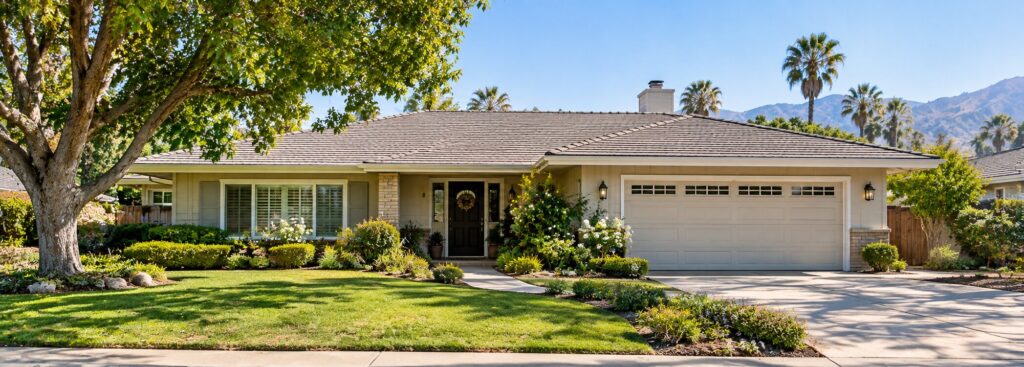
Single-story homes are an appealing option for many buyers in the Inland Empire. With living spaces arranged on one main level, these properties can offer convenient everyday movement, practical layouts, and less reliance on stairs. They may suit first-time buyers, growing households, people planning to downsize, and homeowners who want to think ahead about their long-term housing needs.
Across Riverside, Moreno Valley, Perris, Corona, Jurupa Valley, and San Bernardino, buyers can explore a range of single-level properties, from compact homes with simple floor plans to larger houses with spacious living areas and outdoor spaces.
However, not every single-story home offers the same benefits. Floor plan, room dimensions, property condition, yard maintenance, location, and price all affect whether a home is the right fit. Understanding these differences can help you make a more confident decision.
This guide explains the benefits of single-story homes in the Inland Empire, what to look for during property tours, and how to compare options based on your budget and lifestyle.
1. Why Buyers Consider Single-Story Homes
One of the main attractions of a single-story home is having the primary living spaces on the same level. Depending on the layout, this can make it easier to move between the kitchen, living room, bedrooms, and bathrooms without using stairs.
For busy households, a single-level layout can simplify daily routines. Parents may find it easier to supervise younger children, while homeowners who work from home may appreciate having a practical layout that separates work and relaxation areas.
Single-story homes can also appeal to buyers planning to remain in their homes for many years. Although no property automatically meets every accessibility need, a well-designed single-level floor plan may reduce some common challenges associated with stairs.
When evaluating a property, consider how the layout supports your current lifestyle and whether it is likely to remain practical as your needs change.
2. Consider the Floor Plan, Not Just the Number of Bedrooms
A home’s floor plan can matter as much as its total square footage. Two properties with similar bedroom counts may feel very different depending on room sizes, hallway space, storage, and the relationship between shared and private areas.
Think about how you use your home. Do you need a separate home office, a guest bedroom, space for hobbies, or a flexible room that can serve different purposes over time? A single-story home may accommodate these needs, but the available layout will determine how comfortably everything fits.
Pay attention to the location of bedrooms in relation to the main living areas. Some buyers prefer bedrooms grouped together, while others value a layout that provides more separation between the primary bedroom and other rooms.
Storage also deserves attention. Check closets, kitchen cabinets, linen storage, and garage space. A smaller single-level home may have a convenient layout but limited storage, so consider where everyday belongings will go before making an offer.
3. Think About Accessibility and Long-Term Comfort
Single-story homes are often considered by people who want to minimize stair use, but a single-level layout does not automatically make a property accessible. Entry steps, narrow doorways, tight hallways, raised thresholds, and bathroom configurations may still present challenges.
During a showing, look at how easily you can enter the home, move through its main rooms, and use the bathroom and kitchen. Consider doorway widths, lighting, floor transitions, and whether essential rooms are conveniently located.
If accessibility is a priority, identify the specific features you need before beginning your search. Some buyers may benefit from a step-free entrance, wider doorways, a more accessible shower, or space for future modifications.
When necessary, consult a qualified accessibility professional or contractor to evaluate the property and estimate the cost of changes. It is better to understand any limitations before purchasing than to assume that modifications will be simple or inexpensive.
4. Compare Single-Story Homes With Two-Story Properties
Both single-story and two-story homes can be good choices. The right option depends on your preferences, the property’s layout, your budget, and how you expect to use the space.
A single-story home places the living areas on one level, which may be convenient for households that prefer to avoid stairs. However, the same amount of living space may require a larger building footprint, depending on the design and lot.
A two-story home may provide more separation between bedrooms and shared spaces or leave more yard area available on a particular lot. It also introduces stairs as part of everyday movement, which some buyers prefer and others would rather avoid.
Compare actual properties rather than assuming one style is always more affordable or more practical. A smaller single-story home may cost less than a larger two-story home, but location, condition, land, demand, and features all affect pricing.
5. Understand Maintenance and Energy Considerations
Some buyers expect a single-story home to be easier to maintain. It may offer convenient access to certain areas and a simpler layout, but maintenance depends on the property’s design, age, condition, and outdoor features.
Roof condition, heating and cooling equipment, plumbing, electrical systems, windows, and exterior materials all deserve attention. A home with a large yard, swimming pool, aging roof, or extensive landscaping may require significant maintenance regardless of how many stories it has.
Energy costs also depend on more than the home’s layout. Insulation, window quality, air leakage, equipment efficiency, sun exposure, and household habits can all affect utility bills.
During the buying process, review available disclosures and inspection findings. Ask questions about the age and condition of major systems, and request professional estimates if substantial repairs or improvements may be necessary.
6. Explore Single-Story Homes Across the Inland Empire
The Inland Empire includes a variety of communities, each with different housing options and neighborhood characteristics. As you search, consider how the location fits your work, family commitments, budget, and preferred lifestyle.
Riverside
Riverside offers a range of residential settings and home styles. Buyers can compare properties based on their preferred floor plan, lot size, proximity to services, and access to daily destinations. Start by exploring Riverside real estate.
Moreno Valley
Moreno Valley buyers can compare different property types and residential areas according to their budget and space requirements. Consider commute times, nearby shopping, outdoor areas, and the layout of each property. Visit the Moreno Valley real estate page to learn more.
Perris
In Perris, focus your search on the combination of home size, lot characteristics, neighborhood setting, and access to the places you visit regularly. Compare individual properties carefully because features and maintenance needs can vary considerably.
Corona
Corona buyers may want to weigh floor plan preferences alongside commute requirements, local amenities, and overall purchase costs. A convenient layout is important, but the surrounding location should also support your everyday routine.
Jurupa Valley and San Bernardino
Buyers considering Jurupa Valley or San Bernardino should compare available homes based on the features that matter most to their household. Review property condition, access, storage, outdoor maintenance, and nearby services instead of relying on the number of bedrooms alone.
7. Check the Yard, Garage, and Outdoor Space
Outdoor space can make a significant difference to the practicality of a single-story home. A manageable yard may be ideal for buyers who want space to relax without taking on extensive landscaping responsibilities.
Consider how much maintenance the yard requires and whether the outdoor area suits your plans. You may want a place for gardening, entertaining, children’s play, or simply enjoying the outdoors.
If you have pets, examine the fencing, gates, shade, and outdoor safety. A fenced yard can be useful, but its suitability depends on your pet’s size and behavior. Also check for potential hazards and confirm any applicable HOA or community restrictions.
Look at the garage and driveway as well. Consider whether they provide adequate space for vehicles, storage, tools, or recreational equipment. A home with an appealing floor plan may not be the best fit if it lacks the storage or parking you need.
8. Set a Realistic Budget for Your Purchase
Before searching for single-story homes, establish a budget based on your finances and the total cost of owning a property. The purchase price is only one part of the equation.
Include your anticipated down payment, closing costs, mortgage payment, property taxes, homeowners insurance, utilities, and maintenance. If the property has an HOA, include its fees and review the relevant rules and financial information.
Some buyers focus on a particular floor plan and overlook the cost of repairs or updates. If a property needs new flooring, bathroom improvements, accessibility modifications, or exterior work, obtain estimates and decide whether the combined purchase and improvement costs fit your budget.
Ask a qualified lender to explain your financing options and provide estimates based on your circumstances. Keeping some savings available for emergencies after closing can help you manage unexpected repairs or other expenses.
9. Prepare a Checklist Before Touring Homes
Comparing properties is easier when you use the same criteria for every showing. Create a checklist that separates essential features from preferences so you can evaluate homes consistently.
- Layout: Are the bedrooms, bathrooms, kitchen, and living areas arranged in a way that suits your routine?
- Entry and movement: Are there steps, narrow doorways, or level changes that could affect comfort or accessibility?
- Storage: Is there enough closet, cabinet, garage, and general storage space?
- Property condition: What is the apparent condition of the roof, plumbing, electrical systems, and heating and cooling equipment?
- Outdoor maintenance: How much time and money might the yard, landscaping, and exterior require?
- Location: Is the home conveniently located for work, shopping, healthcare, family, and recreation?
- Total cost: Do the expected monthly expenses and likely repairs fit your budget?
After each showing, note the property’s strongest features and any concerns that require follow-up. This will help you compare options based on practical needs rather than first impressions alone.
Frequently Asked Questions About Single-Story Homes
Are single-story homes better for older adults?
A single-story home may reduce the need to use stairs, which can be helpful for some older adults. However, accessibility also depends on entrances, bathrooms, doorways, flooring, and the overall layout. Evaluate the specific property against your needs.
Are single-story homes more expensive than two-story homes?
Not necessarily. Prices depend on location, lot size, square footage, property condition, demand, and features. Compare similar properties in the same general market instead of assuming that one design will always cost more.
Are single-story homes a good choice for families with pets?
They can be a practical option for many pet owners, particularly when the layout provides convenient movement and easy access to a secure outdoor area. Consider fencing, flooring, shade, and any community pet restrictions before buying.
What should I inspect before buying a single-story home?
Review the home’s general condition, including the roof, foundation, plumbing, electrical systems, heating and cooling equipment, windows, and drainage. A qualified home inspector can help identify issues that may require further evaluation.
Find a Single-Story Home That Fits Your Lifestyle
A single-story home can offer a practical layout for buyers who value convenient movement, manageable living spaces, and flexibility for the future. The best choice depends on more than the number of floors. Layout, condition, accessibility, maintenance, location, and total ownership costs all deserve careful consideration.
Glorimar “Glori” Cole, The Pet-Friendly REALTOR®, helps buyers navigate the Inland Empire real estate market with clear communication and practical guidance. Whether you are buying your first home, searching for a property that better suits your household, or planning to downsize, defining your priorities can make your search more focused.
Explore home buying resources or contact Glori Cole to discuss your real estate goals.
Property features, prices, community rules, and maintenance needs vary. Verify property-specific information and obtain appropriate inspections and professional advice before making a purchase decision.